
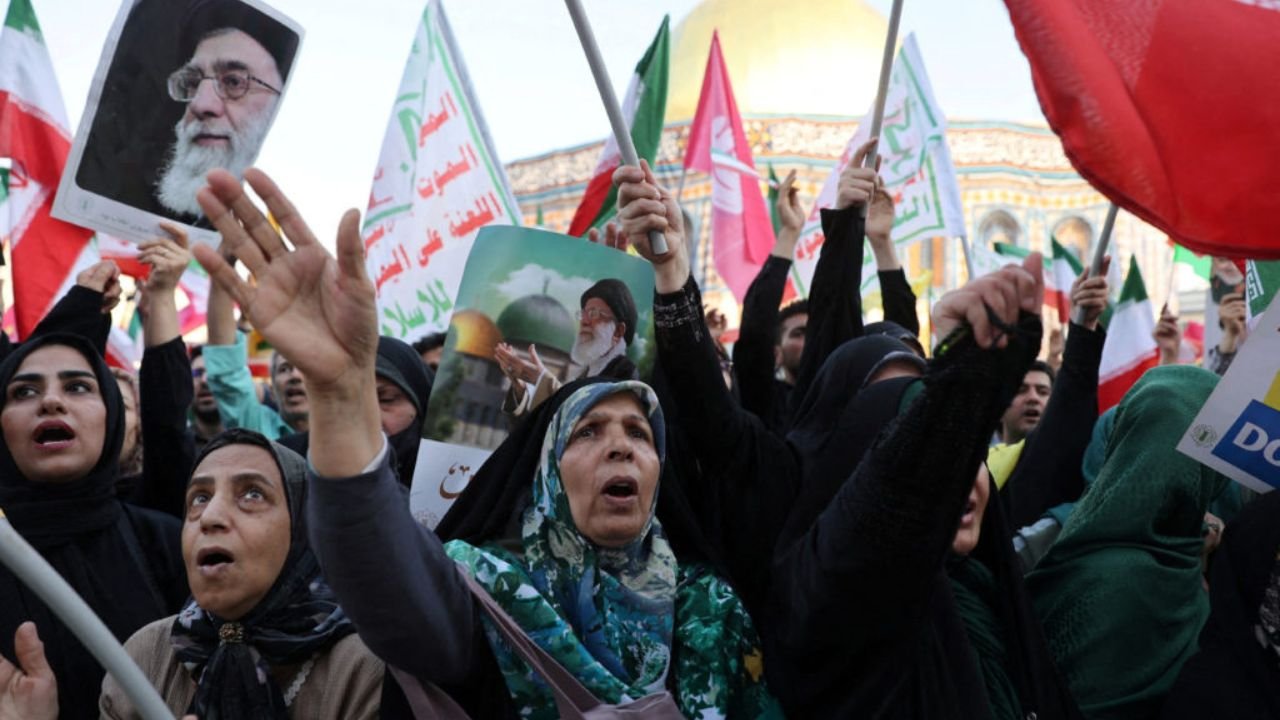
In a significant move, the UK, France, and Germany are pushing to reimpose United Nations sanctions on Iran’s nuclear program. This decision comes amid growing concerns over Iran’s failure to comply with the 2015 nuclear deal, formally known as the Joint Comprehensive Plan of Action (JCPOA). The European powers argue that Iran’s recent actions have destabilized the region and undermined global security.
Why Are Sanctions Being Reconsidered?
The 2015 nuclear deal aimed to limit Iran’s nuclear activities in exchange for lifting economic sanctions. However, tensions have escalated since the U.S. withdrew from the agreement in 2018. Consequently, Iran has gradually breached key limits set by the deal, including enriching uranium beyond permitted levels.
Moreover, recent reports suggest Iran has increased its stockpile of enriched uranium and restricted access for international inspectors. These actions have raised alarms among European leaders, who now believe that reimposing sanctions is necessary to pressure Iran back into compliance.
The European Powers’ Stance
The UK, France, and Germany, collectively known as the E3, have been vocal in their criticism of Iran’s actions. They argue that Iran’s breaches of the JCPOA pose a serious threat to global non-proliferation efforts.
In a joint statement, the E3 emphasized that Iran’s recent activities “undermine the credibility of the nuclear deal and increase the risk of regional instability.” They also called for a diplomatic solution but stressed that sanctions are a necessary tool to enforce compliance.
The Process of Reimposing Sanctions
Reimposing UN sanctions on Iran involves a complex process. First, the E3 must formally notify the UN Security Council of Iran’s non-compliance. Then, the Security Council has 30 days to vote on whether to extend the sanctions relief currently in place.
However, if the Security Council fails to act within this period, the sanctions will automatically snap back. This mechanism, known as the “snapback provision,” was included in the original JCPOA to ensure enforcement.
Challenges Ahead
The move to reimpose sanctions is not without challenges. For instance, Russia and China, both permanent members of the Security Council, are likely to oppose the measure. They have previously criticized the U.S. for withdrawing from the JCPOA and may resist efforts to punish Iran further.
Additionally, Iran has warned that reimposing sanctions would lead to a “serious response.” The country’s Foreign Ministry stated that such actions would “close the door to diplomacy” and escalate tensions in the region.
Global Reactions
The E3’s decision has drawn mixed reactions globally. The U.S. has expressed support for reimposing sanctions, with Secretary of State Antony Blinken calling it a “necessary step to hold Iran accountable.” Meanwhile, other JCPOA signatories, such as Russia and China, have criticized the move, arguing that it undermines the agreement.
Furthermore, regional powers in the Middle East have voiced concerns over the potential consequences. Some fear that increased sanctions could lead to further instability, while others support the move as a way to curb Iran’s nuclear ambitions.
What’s Next for Iran and the JCPOA?
The push to reimpose sanctions marks a critical juncture for the JCPOA. On one hand, it could pressure Iran to return to full compliance. On the other hand, it risks further escalating tensions and derailing diplomatic efforts.
In the coming weeks, the focus will be on the UN Security Council’s response. If sanctions are reimposed, Iran may retaliate by accelerating its nuclear program or withdrawing from the deal altogether. Alternatively, renewed diplomatic efforts could offer a path toward de-escalation.
Conclusion: A High-Stakes Decision
The decision by the UK, France, and Germany to reimpose UN sanctions on Iran’s nuclear program underscores the growing frustration with Iran’s non-compliance. While the move aims to enforce the JCPOA and maintain global security, it also carries significant risks.
As the international community watches closely, the coming weeks will be crucial in determining the future of the JCPOA and the broader stability of the Middle East.